Batik Frequently Asked Questions: Answers Every Quilt Shop Should Have Ready
Batiks have long been a favorite among quilters for their rich color, intricate designs, and unique texture. Yet many shop owners find that customers have questions about how batiks differ from traditional quilting cottons, whether they need special care, and how to use them in projects.
The good news? A little knowledge goes a long way. The more confident your team feels talking about batiks, the easier it becomes to recommend them for projects, classes, and kits. Here are answers to some of the most common batik questions quilt shops hear.
What makes batiks different from traditional quilting cottons?
Batiks are created using a wax-resist dyeing process, where wax is applied to the fabric before it is dyed. This process can be repeated multiple times to create layers of color and intricate designs.
Many quilters notice that batiks often feel different from printed quilting cottons. Because of the dyeing process, batiks typically have a tighter weave and a smooth hand, making them ideal for detailed piecing, appliqué, and projects that showcase color. For shop owners, this creates an opportunity to introduce customers to a different quilting experience and inspire projects that highlight the depth and movement batiks bring to a quilt.
Do batiks need to be prewashed?
This is one of the most common questions shops receive, and the answer often comes down to personal preference and project needs. Reba, Riley Blake Designs’ Director of Batiks, recommends prewashing batiks in cold water with a color catcher, especially when working with highly saturated fabrics or projects that combine very dark and very light fabrics. Prewashing can help remove excess surface dye and provide added confidence before cutting into a project.
Not every quilter chooses to prewash, but understanding when it may be beneficial helps shops provide informed guidance to customers. For those wanting to learn more, Reba recently shared a video, HERE, explaining why she recommends prewashing and what quilters should know before starting their next batik project.
Can batiks be mixed with traditional quilting cottons?
Absolutely! Batiks pair beautifully with traditional quilting cottons, solids, and blenders. In fact, combining batiks with other fabrics can create stunning contrast and visual interest.
Mixing fabric types can also be a great way to introduce customers to batiks. A pattern that uses batiks as an accent or feature fabric often feels less intimidating than an all-batik project while still showcasing their unique beauty.
Why are batiks typically more expensive?
Many customers notice that batiks often carry a slightly higher price point than traditional printed quilting cottons.
The answer lies in the production process. Creating batiks involves multiple steps of waxing, dyeing, drying, and washing. Complex designs may require several rounds of wax application and dyeing to achieve the final look.
This hands-on process contributes to the depth of color, unique patterns, and artisan quality that make batiks so distinctive. When customers understand the craftsmanship behind batiks, they often gain a greater appreciation for the value they bring to a project.
How can shops successfully sell more batiks?
One of the best ways to build excitement around batiks is to help customers see them in action.
Consider featuring batiks in:
- Shop samples and quilts
- Beginner-friendly kits
- Block of the Month programs
- Technique classes
- Seasonal projects
- Home décor and bag-making patterns
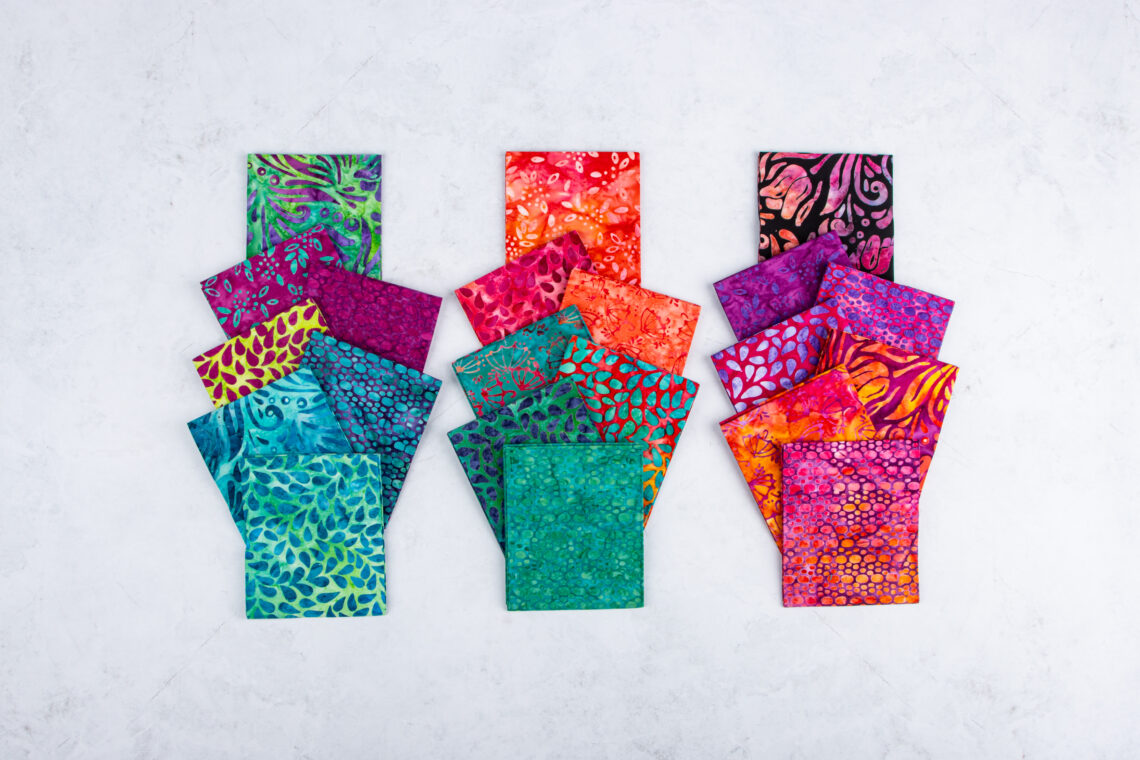
Displaying batiks by color family can also make fabric selection easier and encourage customers to experiment with combining prints they may not have considered together.
When customers see finished projects and hear confident recommendations from shop staff, they are often more willing to try something new.
Shop Owner Takeaway
Batiks are more than just another fabric category—they offer unique color, texture, and creative possibilities that can inspire customers and expand project opportunities in your shop.
By understanding the basics of batik construction, care, and use, your team will be better equipped to answer questions, recommend fabrics with confidence, and encourage customers to explore new techniques and projects. A little batik knowledge can go a long way toward turning curiosity into creativity.
Industry Insight
Reba Worotikan – Director of Batiks
“Batiks offer something truly unique in a quilt shop. Their rich color, depth, and texture can inspire customers new ways.
One of the biggest misconceptions about batiks is that seeing color in the wash means the fabric is fading. In reality, highly saturated batiks can sometimes release excess surface dye during the first wash, which is why I recommend prewashing in cold water with a color catcher, especially when combining dark and light fabrics in the same project.
When shop owners and staff understand the basics of how batiks are made and how to care for them, they’re better equipped to answer questions confidently and help customers discover new possibilities for their projects.”


You May Also Like
Wayward Quilt – A Modern, Geometric Quilt Pattern
Sunny Skies by Jill Finley