How to Attract a Younger Audience to Your Quilt Shop
Walk into almost any creative space online right now and you’ll find younger makers sewing garments, learning to quilt, crocheting blankets, embroidering jackets, and diving headfirst into all kinds of creative hobbies. The interest is there — and growing. The challenge for many quilt shops is figuring out how to connect with this new generation of makers in a way that feels approachable, inspiring, and relevant.
The good news? Shops don’t need to completely reinvent themselves to attract younger customers. Small shifts in merchandising, marketing, classes, and community-building can make a huge impact both in-store and online.
Create a Beginner-Friendly Experience
For many younger customers, walking into a quilt shop can feel overwhelming at first. Bolts of fabric, unfamiliar tools, and advanced samples can unintentionally make beginners feel like they’re already behind.
Creating a more approachable experience starts with helping customers feel comfortable from the moment they walk in.
Some easy ways to do this include:
- Clearly labeled beginner sections
- “Everything you need” project kits
- Quick weekend projects
- Beginner-friendly signage and class recommendations
- Staff conversations focused on inspiration rather than experience level
Instead of asking, “Are you a quilter?” try asking: “What kinds of things do you like to make?”
That small shift opens the door to a much wider creative audience.
Merchandise for Inspiration, Not Just Inventory
Younger makers often shop visually and project-first. They want to see what they can create, not just rows of fabric bolts.
That means merchandising matters more than ever:
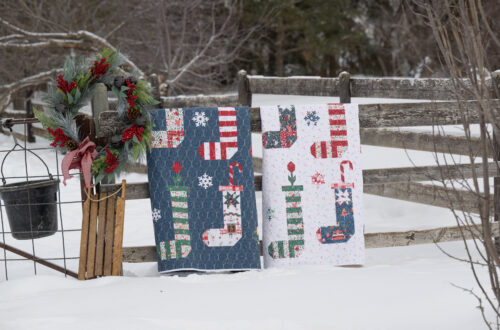
- Display finished projects throughout the shop
- Cross-merchandise fabric, patterns, and notions together
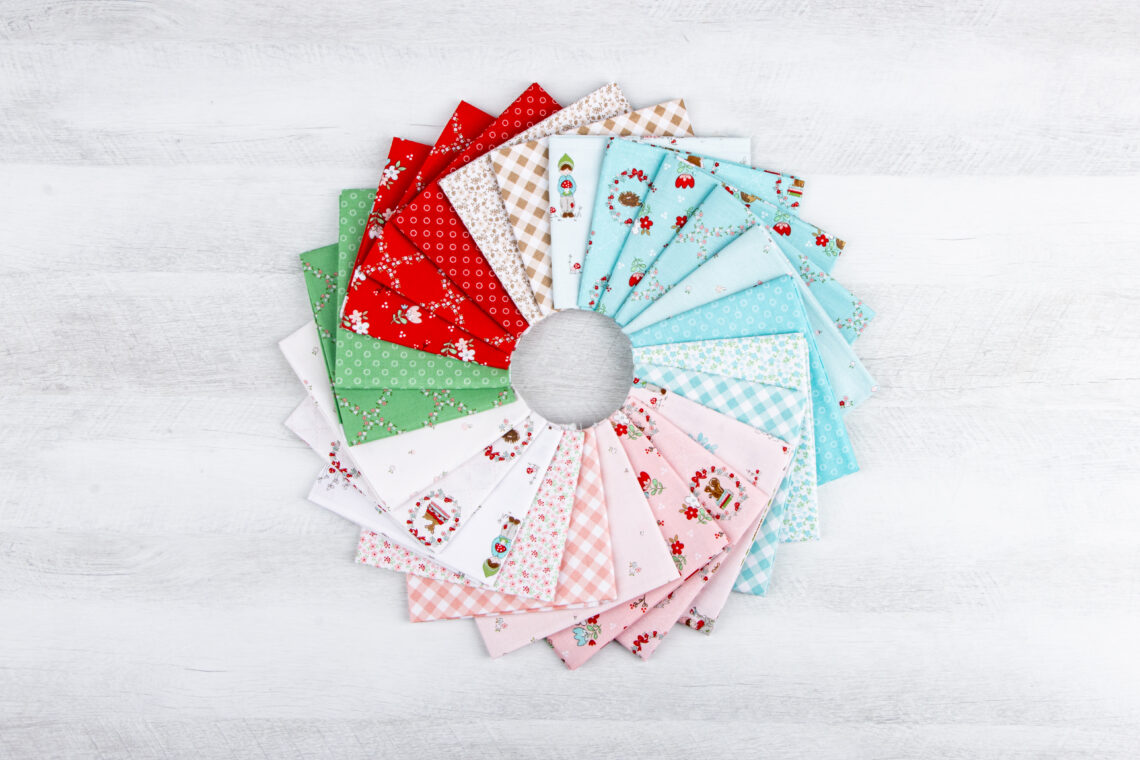
- Highlight trending color palettes and modern prints
- Create displays around aesthetics and lifestyles
- Showcase beginner-friendly projects near featured collections
Modern fabrics, fresh samples, and curated displays help customers immediately picture themselves creating something beautiful.
Meet Customers Where They Already Spend Time
Today’s younger makers discover creativity online first. Social media, YouTube tutorials, Pinterest boards, and short-form video content are often what inspire them to start a new hobby or project.
That’s why having an online presence is no longer optional — even for brick-and-mortar shops. The good news? Your content doesn’t need to be polished or perfect to be effective.
Simple content ideas include: fabric unboxings, new arrivals, color pull videos, beginner tutorials, staff favorites, works-in-progress, class previews, quick sewing tips
Consistency matters far more than perfection. Shops that show up regularly online build familiarity and trust over time.
Build Community Alongside Creativity
Younger customers are often looking for connection just as much as products. They want spaces where creativity feels social, welcoming, and fun.
Shops can create that sense of community through:
- Beginner sew nights
- Sip & stitch events
- Open crafting nights
- Virtual sew-alongs
- Social sewing groups
- Seasonal challenges or swaps
The shops attracting younger audiences are becoming gathering places — not just retail spaces.
Rethink Traditional Classes
All-day classes still have their place, but younger customers often prefer lower-commitment learning opportunities that fit into busy schedules.
Consider offering:
- 1–2 hour workshops
- Evening classes
- Skill-specific mini classes
- Make-and-take projects
- Introductory technique classes
- Hybrid in-person and video learning options
Smaller classes can feel less intimidating and easier for beginners to say yes to.
Don’t Forget Email Marketing
Email newsletters are still incredibly valuable, especially when paired with social media and video content. The difference is that younger audiences tend to respond better to emails that feel visual, conversational, and inspiring rather than overly promotional.
Focus on:
- Mobile-friendly formatting
- Strong photography
- Shorter copy
- Project inspiration
- New class announcements
- Trending products
- Staff picks and recommendations
Think less “product catalog” and more “creative inspiration delivered to their inbox.”
Embrace the Modern Maker
One major shift happening in the industry is that younger customers don’t always separate quilting from other creative hobbies. They move between quilting, garment sewing, crochet, embroidery, punch needle, bag making, and home décor projects freely.
Shops that embrace multiple creative interests often feel more welcoming and relevant to younger audiences.
A customer who comes in for a beginner crochet class today may become a future quilter tomorrow.
The Biggest Takeaway
Attracting a younger audience doesn’t mean abandoning traditional quilting customers or completely changing your shop identity. It means creating an environment that feels approachable, inspiring, and connected to how modern makers discover creativity today.
Younger customers are looking for shops that help them learn, create, connect, and feel part of a creative community. The shops willing to evolve alongside those customers are building the next generation of loyal makers.
Industry Insight
Gary Rurup: VP of Sales & Former quilt shop owner
“One of the biggest shifts I’ve seen over the years is that younger customers want to feel inspired before they ever make a purchase. They’re discovering projects online, watching videos, saving ideas on social media, and looking for shops that make creativity feel approachable and exciting.
When I owned a quilt shop, some of the most successful classes and events weren’t necessarily the most advanced — they were the ones that helped people feel comfortable walking through the door for the first time. Beginner-friendly projects, welcoming staff, fresh samples, and a strong sense of community all make a difference.
The shops finding success with younger audiences today are the ones showing up consistently both in-store and online. They’re sharing video content, highlighting modern projects and fabrics, and creating spaces where customers feel connected and encouraged to try something new. Younger makers are looking for creativity, inspiration, and community, and quilt shops are in a great position to offer all three.”


You May Also Like

Carnival Glass – The Big Shirt
Olive Grove by Amber Elliot