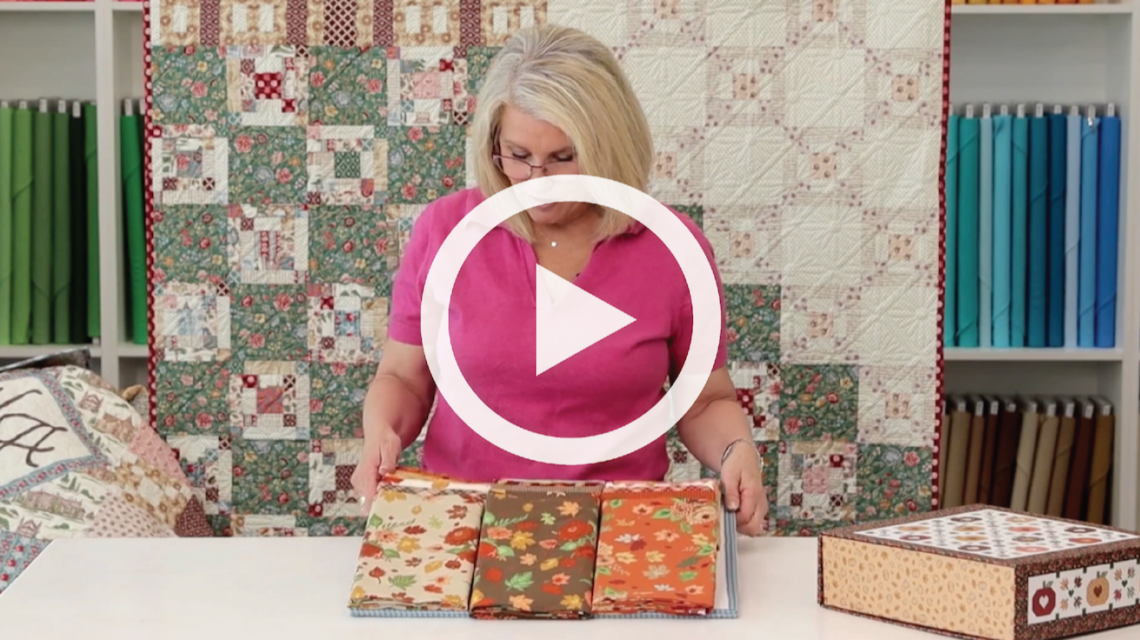
Selling on Facebook Live:Managing Orders Without the Chaos
Facebook Live is a great way to connect with customers, showcase new products, and create excitement around your shop. But once customers start commenting “Sold!” and claiming items, having a clear process becomes just as important as the live itself.
The good news? You don’t need complicated software or a large team to get started. With a little planning and organization, you can create a smooth buying experience that keeps customers coming back for future live sales.
Decide How Customers Will Claim Items
Before your live begins, establish a clear system for claiming products. Many shops ask customers to: comment “Sold” plus an item number. comment a specific keyword, send a direct message after claiming an item, complete a simple online order form
Whatever system you choose, explain it at the beginning of the live and periodically throughout the event. Remember, new viewers may join at any time, and a quick reminder can help prevent confusion. The simpler the process, the easier it will be for customers to participate.
Assign Someone to Monitor Comments
If possible, don’t manage the live alone.
Having a team member monitor comments allows you to focus on presenting products while someone else: tracks claims, answers questions, notes sold-out items, shares purchasing instructions, alerts you to common customer questions
Even for smaller lives, a second set of eyes can help prevent missed orders and keep things running smoothly.
Create an Order Tracking System
One of the easiest ways to stay organized is to use a simple spreadsheet during the event and track customer name, claimed items, quantities, email address, payment status, shipping or pickup preference
A basic spreadsheet can help prevent confusion and ensure every customer receives the correct items. As your live sales grow, you can always transition to more automated tools, but many successful shops start with a straightforward tracking system.
Determine How You’ll Collect Payments
Before going live, decide exactly how customers will pay. Some common options include: sending invoices after the live, creating custom orders through your website, taking payment over the phone, sending payment links through your preferred payment processor
Whichever method you use, communicate the timeline clearly. Let customers know when they should expect an invoice and how long items will be held before payment is received.
Set Clear Policies
Live sales move quickly, which is why clear policies are important. Consider communicating: payment deadlines, shipping timelines, local pickup options, return policies, what happens if multiple customers claim the same item
Sharing these details upfront helps set expectations and minimizes confusion after the live ends.
Keep Inventory Updated
Nothing creates frustration faster than overselling an item.
Before the live: Verify inventory counts, set aside products being featured, identify limited quantities
After the live: Update inventory promptly, review any waitlists or backup claims, follow up with customers if an item sells out
A little preparation can save a lot of customer service headaches.
Follow Up Quickly
The sale isn’t complete until payment is collected and products are delivered. Many successful shops send invoices within 24 hours and provide prompt communication about shipping or pickup. Customers appreciate knowing exactly what to expect, and timely follow-up helps build trust for future live sales.
A Sample Facebook Live Sales Workflow
If you’re new to Facebook Live selling, here’s an example of what a simple process might look like from start to finish.
Before the Live: select products and verify inventory counts, assign an item numbers or keywords, create a spreadsheet for tracking orders, and prepare payment and shipping information.
During the Live: introduce the claiming process, customers comment with the item number or keyword to claim products, a team member records claims and answers questions in the comments, and sold-out items are noted as inventory changes.
After the Live: review all claims and verify inventory, contact customers or send invoices, collect payments and confirm shipping or pickup preferences, package and fulfill orders, and follow up with tracking information or pickup instructions.
While every shop’s process will look a little different, having a clear workflow helps create a better experience for both your team and your customers.
Start Simple and Improve
Your first Facebook Live sale doesn’t need to be perfect. Many shops begin with a handful of featured products, a simple spreadsheet, and manual invoicing. As your audience grows, you can explore dedicated live-selling tools and more automated systems.
The most important thing is to create a process that is easy for your customers to understand and easy for your team to manage. A clear workflow, consistent communication, and prompt follow-up can go a long way toward building customer confidence—and encouraging shoppers to join your next live sale.
Industry Insight
Kelly Morris: VP of Marketing
“A successful Facebook Live sale starts long before you go live. The shops that see the best results usually have a plan for every step of the process—from how customers claim items to how payments are collected and orders are fulfilled. When the behind-the-scenes logistics run smoothly, you can focus on what matters most: connecting with customers and sharing products they’re excited to buy.”


You May Also Like

QuiltCon 2026 – Here we Come!
Splatter – Swing and Sling Bag