Merchandising That Sells: Why Every Display Needs Precuts, Bundles & Fat Quarters
When a customer stops in front of a display, they’ve already made a decision: something about it caught their eye. The colors, the sample, the idea of a future project—it all clicks. That moment is powerful, and the goal of merchandising is to make it easy for that interest to turn into a purchase.
The most effective displays don’t just look good. They quietly guide customers toward a “yes.”
Every Display Should Sell in Multiple Ways
Think of each display as its own mini shop. A customer shouldn’t have to leave the area to figure out how they want to buy the fabric—they should be able to decide right there.
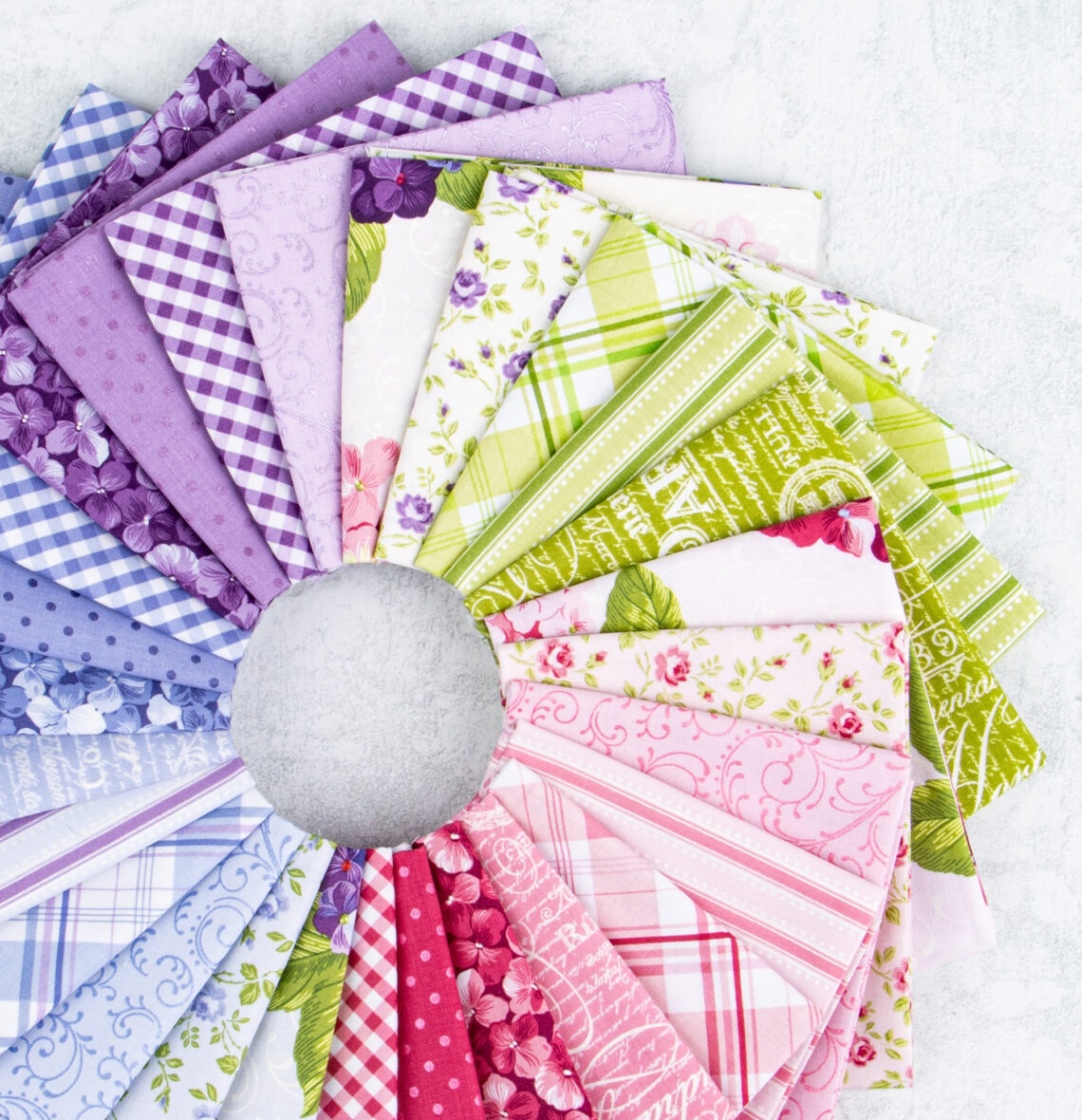
Some shoppers love pulling their own fat quarters. Others want the ease of a bundle. And many are looking for a quick, grab-and-go pre-cut project. When all of those options are visible together, you’re meeting different shopping styles without saying a word.
Each display should include:
- Individual fat quarters
- Coordinating bundles
- All available precuts
Keep precuts close—ideally within arm’s reach. If customers have to break their flow to hunt them down, that impulse moment often disappears.
Impulse Buys Live in Precuts & Bundles
Most customers don’t impulse-buy bolt fabric. That’s usually a planned purchase. Impulse buys happen when something feels easy, exciting, and low-commitment—and that’s exactly what precuts and bundles offer.
When these items are built directly into the display, they become a natural add-on instead of an afterthought. Customers don’t feel upsold—they feel inspired.
To encourage those grab-and-go decisions:
- Place precuts at the edge of displays
- Keep them at eye level
- Group them neatly so they feel approachable
These small placement choices can make a big difference in average ticket size.
Samples Sell (So Plan for Them)
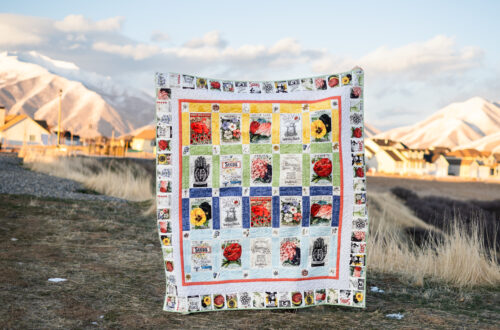
Samples are more than visual inspiration—they’re proof that the fabric works. A finished quilt helps customers imagine success, especially those who need a little extra confidence before starting a project.
That’s why planning samples ahead of time matters. When samples arrive after the fabric has already been on the floor for months, you miss out on early momentum.
To stay ahead:
- Build sample-making into your ordering cycle
- Talk to your rep about ASY bundles when placing orders
- Aim to have samples ready as the fabric hits the floor
Even one well-placed sample can sell fat quarters, bundles, and precuts all at once.
Quick Merchandising Checklist
Before the week starts, do a quick walk-through of your shop:
- Does every display include fat quarters, bundles, and precuts?
- Are precuts merchandised within arm’s reach of the sample?
- Is the sample clearly connected to the fabric and precuts below it?
- Do customers have multiple ways to buy from one display without asking for help?
Strong merchandising doesn’t require a full reset—just thoughtful tweaks that work with how customers already shop.
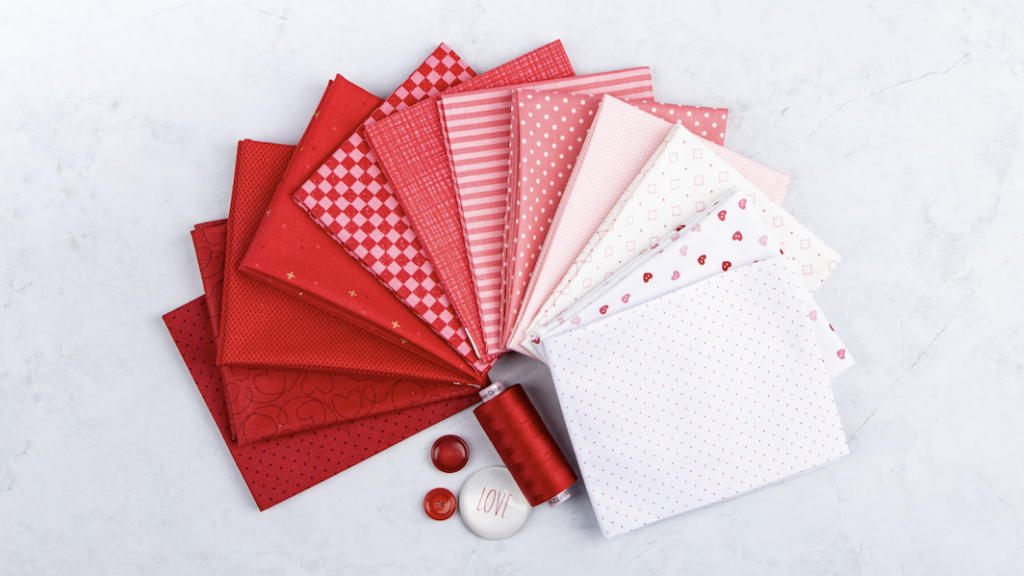
C840 Brick Pin Dot, C16903 Red Tonal Sew In Love, C805 Riley Red POParazzi, SC650 Red Sparkler, C830 Check Please, C610 Flamingo Texture, C500 Sugar Pink Tonal Stripe, C670 Sugar Pink Swiss Dot, C805 Frosting POParazzi, C6386 Coral Bee Backgrounds, C16905 White Hearts Sew In Love, C845 Red American Jane Pin Dot
Industry Insight:
Kelly Morris: VP of Marketing at Riley Blake Designs
“One of the biggest merchandising mistakes I see is treating displays as decoration instead of decision-making tools. Customers don’t walk into a shop thinking about yardage or SKUs—they’re reacting to color, possibility, and the idea of a finished project.
When a display includes a strong sample along with fat quarters, bundles, and precuts all in one place, you’re meeting customers exactly where they are in that moment of inspiration. You’re removing hesitation and replacing it with confidence.
The shops that see the most success are the ones that think through the full customer journey at the display level—anticipating questions, offering options, and making it easy to say yes without feeling overwhelmed.”


You May Also Like
Texture by Sandy Gervais

Contours – Cutting Corners Quilt