Turn On the Machine, Turn Up the Sales
Machine embroidery machines are exciting, creative, and incredibly capable—but they can also feel intimidating to customers who have never used one before. The best way to sell more machines isn’t just talking about features. It’s showing customers how approachable and fun embroidery can be.
From what we’ve seen across successful shops, the stores that move the most machines treat their embroidery area like a live demonstration space, not a static display. When customers can see, touch, and participate, curiosity quickly turns into confidence.
Keep the Machine Running
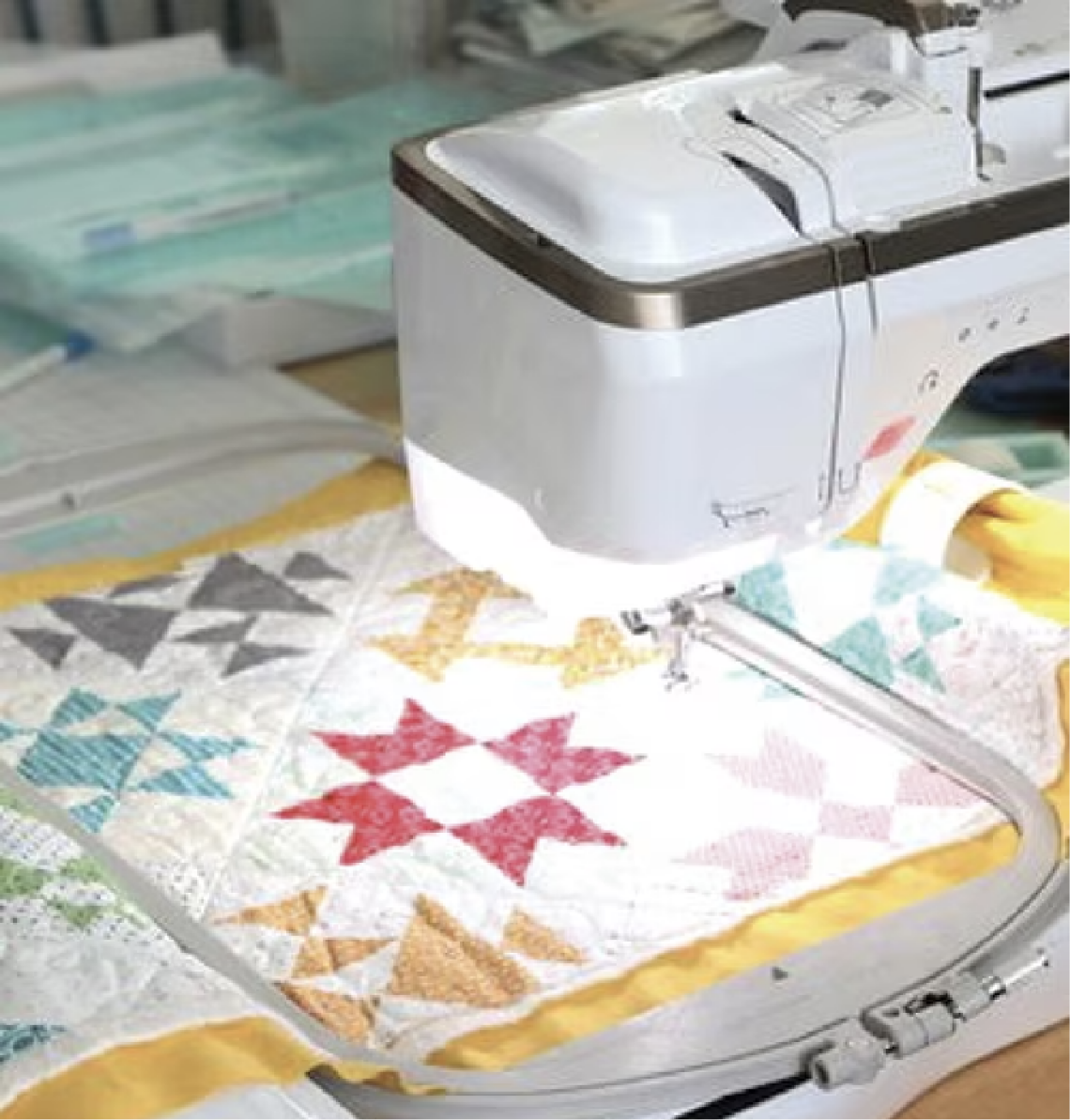
An embroidery machine that’s sitting quietly doesn’t tell much of a story. A machine that’s actively stitching, on the other hand, immediately draws attention.
Running a project throughout the day gives customers a reason to stop and watch. It sparks questions, starts conversations, and naturally leads to explaining what the machine can do. Even better, invite customers to participate. Let them place the next hoop, press the start button, or watch as the design begins stitching.
Those small interactions help remove the intimidation factor and make the process feel achievable.
Demonstrate with Real Projects
Customers connect much more easily with projects they can imagine making themselves. Small embroidery samples, quick projects, and seasonal designs are perfect for this.
Creating samples right in the shop while the machine is running keeps the energy going in the embroidery area. A simple towel, quilt label, zipper pouch, or seasonal block can quickly become a conversation starter. When shoppers see a finished project come off the machine, it turns a technical product into something creative and inspiring.
The key is to make the projects feel doable and relevant to everyday sewing.
Pair Machines with Kits and Classes
Once customers see the machine in action, the next step is helping them picture themselves using it at home.
Having ready-to-go kits nearby makes that transition easy. A curated kit with the fabric, stabilizer suggestions, and project instructions gives customers a clear starting point.
Classes are just as important. Offering regular embroidery classes—especially beginner-friendly ones—helps remove hesitation. Customers are far more confident investing in a machine when they know there’s ongoing education available to support them.
Make Education Part of the Experience
Machine embroidery thrives on learning. New techniques, designs, and project ideas keep customers excited long after they purchase a machine.
The shops we see succeeding with embroidery focus on constant education. That might look like scheduled classes, casual demonstrations throughout the day, or simply having a knowledgeable staff member available to answer questions and run the machine.
The goal is to make the embroidery area feel active, approachable, and full of possibility.
Remember What the Customer Came For
For shops that sell embroidery machines, the machine is the star of the show. Fabric, thread, and projects all support the experience—but the machine is what draws people in.
By keeping the machines running, demonstrating projects, and offering education alongside kits and classes, shops create an environment where customers can see themselves stepping into the world of embroidery.
And when customers feel confident about what a machine can do, that excitement often turns into a sale.
Industry Insight:
Teresa Porter: Regional Account Executive & former quilt shop manager
One thing I always noticed as a shop manager was that embroidery machines and projects sell best when customers can actually see them working. If the machine was sitting idle, people would walk right past it. But if it was stitching, they stopped every time.
We made it a point to keep a project running throughout the day—towels, quilt labels, even small seasonal designs. Customers would start asking questions, and before long they were curious enough to try placing the hoop or pressing start themselves.
That little bit of hands-on experience makes a big difference. Once customers realize the process isn’t intimidating, they start imagining what they could make at home. That’s when the conversation about machines really begins.

You May Also Like
New March Batik Collections!
The Sabine Crossing Quilt