Celebrating Black History Month Through the Quilting Tradition
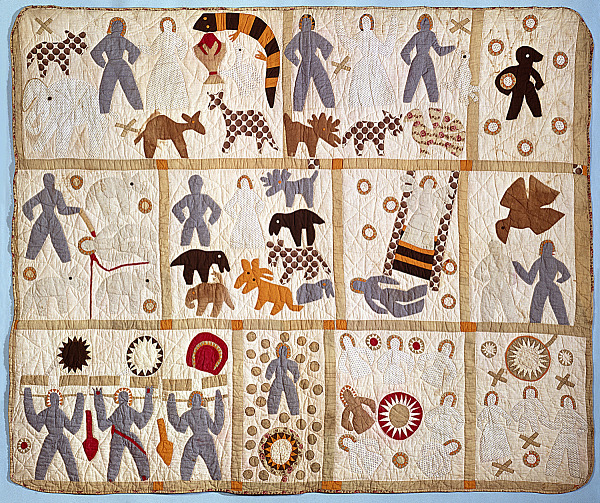
Each February, we pause to honor the makers whose creativity and resilience helped shape both history and the quilting tradition we love today. Among them is Harriet Powers, an African American quilter and folk artist whose surviving story quilts remain some of the most important examples of 19th-century textile art.
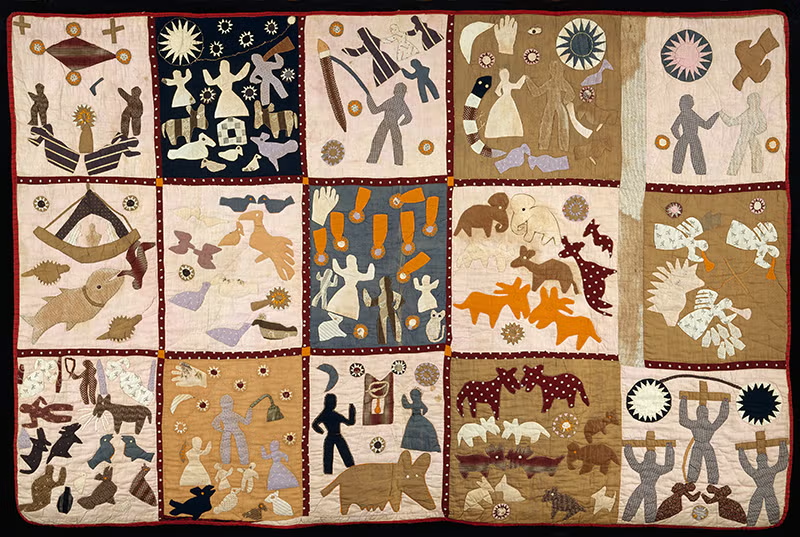
Born into slavery in Georgia in 1837, Powers used appliqué and hand stitching to create powerful pictorial quilts that depicted biblical stories, historical events, and moments from everyday life. Her panels read almost like illustrated pages with bold shapes, intentional composition, and narrative stitched carefully into cloth.
At a time when many voices went unrecorded, her quilts became a form of storytelling and preservation. Through fabric, she documented faith, community, and lived experience.
Black History Month is an opportunity to recognize how deeply Black makers have influenced quilting. Not only through technique and design, but through innovation, symbolism, and the passing down of stories from one generation to the next.
As we share this quilt again, we do so in gratitude for Harriet Powers and the countless quilters whose artistry continues to inspire. Quilts have always been more than layers of fabric, they are memory, heritage, and history stitched together.


5 Comments
Valerie Womack
Beautiful artistry. Thank you for the acknowledgement of such a great quilter!
Regina Mundy
It’s so important to preserve our history through different mediums. Harriett Powers story and quilts are inspiring! She was such a talented quilter and a woman of great faith. Thanks for sharing the quilts and her story.
Candy Fletcher
This is such a beautiful quilt. I love how it tells a historical story and how each piece is imperfect, but it causes “perfection” in the end…it’s brilliant! Thank you for posting this on your platform ☺️
Donna Lee Rogers
I love the Harriet Powers quilt. Such beautiful work, would love to make one like hers.
Juanita Decquir
The talent and creativity of this quilter is wonderful. It is a way to know about her contribution to our history.